
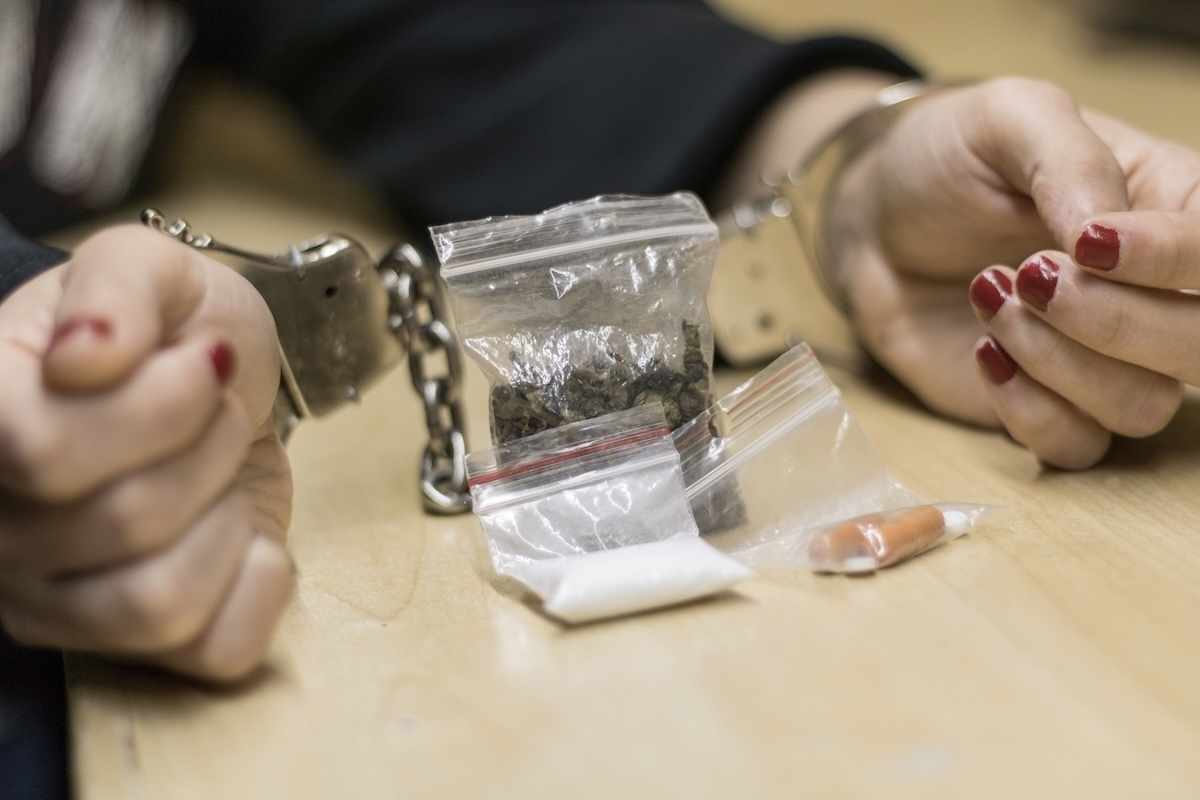
If you are wondering, “Do you get drug tested on unsupervised probation?” you should know that it’s possible. In Texas, people often call this informal or non-reporting probation. Even then, probation conditions can still limit your travel, require payments or classes, and include drug or alcohol testing.
That uncertainty can feel frustrating. You may not check in every month, but one missed condition, failed test, or ignored notice can put your freedom at risk. Below, we help you understand your drug testing conditions before you make an avoidable mistake.
What Is Unsupervised (Non-Reporting) Probation and How Does It Work?
Unsupervised probation is usually a lower-contact form of community supervision. In Texas, probation is generally called community supervision, and non-reporting status means you may not have to meet with a probation officer as often.
Non-reporting probation may be available if the court or probation department believes you can follow the rules without frequent in-person meetings. That decision often depends on your charge, criminal history, past compliance, payment status, risk level, and whether you completed required classes, treatment, or community service.
Even on unsupervised probation, you may still need to follow important conditions, such as:
- Paying fines, fees, court costs, or restitution;
- Avoiding new arrests or criminal charges;
- Completing classes, treatment, or community service;
- Keeping your address current;
- Following travel restrictions;
- Avoiding drugs, alcohol, or certain people or places; and
- Responding when the court or probation department contacts you.
Non-reporting probation gives you more breathing room, but not a blank check. If the court believes you violated the rules, it can require more supervision or take stronger action.
Wondering if you’ll be drug tested on unsupervised probation? Read your conditions before you guess wrong.
Non-reporting probation in Texas still comes with real conditions: testing, fees, travel limits, and deadlines you can't afford to miss. Walter J. Pink & Associates helps Texans understand exactly what their probation order requires before a missed condition turns into a violation.
Before your next scheduled or random test
- Read your written conditions line by line. Testing requirements live in your actual order, not in whatever "non-reporting" sounds like it should mean.
- Track every deadline and payment. A missed fee, class, or check-in can increase supervision even without a failed test.
- Call a probation lawyer before anything is missed. Early advice can keep a routine issue from turning into a revocation motion.
Supervision looks different depending on your county
Testing frequency and reporting rules aren't uniform across Texas. Whether your case runs through Harris, Fort Bend, Galveston, or Tarrant County changes who supervises you and how strictly conditions get enforced.
Harris County
HoustonHarris County's Community Supervision and Corrections Department requires most probationers to submit to urinalysis testing as a standard part of supervision, on top of whatever additional conditions the court adds.
Fort Bend County
Richmond & Sugar LandFort Bend's CSCD runs multiple reporting offices across the county and supervises both felony and misdemeanor probationers as an extension of the county's district and county courts.
Galveston County
Galveston & Texas CityGalveston County's CSCD assigns probationers to either the Galveston or Mainland (Texas City) unit, with officers monitoring compliance and administering required drug or alcohol testing.
Tarrant County
Fort WorthTarrant County's CSCD runs six satellite offices plus a central Fort Worth office, supervising offenders sentenced by the county's district and county criminal courts.
What you’re likely still required to do
Non-reporting status means fewer in-person check-ins, not fewer conditions. The requirements below remain enforceable, and violating them carries real consequences.
Conditions probationers commonly overlook
- Paying fines, court costs, and any restitution on schedule
- Avoiding new arrests or criminal charges, even minor ones
- Completing required classes, treatment, or community service
- Keeping your address current with the court and probation department
- Following any travel restrictions tied to your case
What counts as a probation violation?
What happens if I fail a drug test?
Can I be moved from unsupervised to supervised probation?
Does testing differ if my case is in another county?
Probation questions deserve a straight answer
Walter J. Pink & Associates has over 50 years of combined experience helping Texans understand community supervision, respond to testing conditions, and reduce the impact of an alleged violation before it escalates.
Past results do not guarantee a similar outcome. Every case depends on the charge, the conditions, and its own specific facts.
Can Drug Testing Be Required During Unsupervised Probation?
Yes, drug testing might be necessary during unsupervised probation if it is part of your court-ordered conditions or supervision requirements. A judge can impose reasonable probation conditions, and those conditions may include alcohol or controlled substance testing. Testing may occur through a probation department, a court program, a treatment provider, or another approved process.
Drug testing may be more likely if your case involves:
- Drug possession or delivery,
- DWI or another alcohol-related offense,
- A prior positive test,
- Substance use concerns raised in court,
- A treatment or counseling requirement,
- A probation violation allegation, or
- A judge who orders testing as part of compliance monitoring.
So, do you get drug tested on non-reporting probation? You can. Read your written conditions closely, and if the language is unclear, ask a Houston drug crime lawyer before making assumptions.
How Often Are Drug Tests Conducted on Probation?
Drug testing frequency on probation depends on your case. Some individuals must test infrequently, while others may undergo random, monthly, or more frequent tests if the court or probation office determines closer supervision is needed.
In Harris County, people on community supervision are told that the court may order numerous programs and conditions, and the number of officer contacts depends on the supervision level or court order. Most people on supervision must submit to urinalysis testing to check for drug use.
Not everyone gets tested weekly, but testing is common enough that you should take it seriously. Random testing aims to be unpredictable, so guessing how often you’ll be drug tested on probation can easily backfire.
What Factors Determine Drug Testing Frequency on Probation?
How often you get drug tested on probation usually depends on risk, case facts, court conditions, and compliance history. A person on probation for a drug or alcohol-related offense may face more testing than someone on probation for an unrelated low-level offense.
Several factors may affect how often testing happens, including:
- The offense. Drug, DWI, intoxication, and certain assault cases may receive closer monitoring.
- The court order. Your written conditions control what you must do and how testing may be handled.
- Your compliance history. Missed appointments, unpaid fees, or prior violations may increase scrutiny.
- Prior test results. A positive, diluted, missed, or refused test can lead to more testing.
- Treatment requirements. Counseling or substance abuse programs may include separate testing rules.
- County practices. Harris County, Fort Bend County, Galveston County, Tarrant County, and other Texas jurisdictions may administer supervision differently.
Details matter because probation is not the same for everyone. Two people with the same charge might have different testing schedules depending on the judge, the county, the plea deal, the risk assessment, and supervision history.
What Happens If You Fail a Drug Test While on Probation?
A failed drug test may constitute a probation violation. The response can vary from issuing a warning or requiring additional treatment or community service to implementing stricter supervision, obtaining a warrant, or filing a motion to revoke probation.
Failing a test is not the only issue. Refusing a test, missing a test, leaving before giving a sample, submitting a diluted sample, or failing to disclose prescription medication can also create problems.
Being accused of a violation does not mean you will go to jail right away. However, you need a plan before things get worse, like a warrant, a revocation hearing, or stricter supervision.
Let Our Texas Probation Lawyer Make a Difference
Probation conditions can be confusing, which can impact your freedom. You don’t have to keep wondering: “Do you get drug tested on unsupervised probation?” With over 50 years of combined experience, Walter J. Pink & Associates, PC, assists Texans in understanding drug testing and community supervision while reducing the impact of possible violations.
Reach out to us for a free consultation to review your case and develop a plan to get you back on track.
Legal Resources Used to Inform This Page:
To ensure the accuracy and clarity of this page, we referenced official legal and other authoritative sources during the content development process:
- Texas Legislature. Code of Criminal Procedure Sec. 42A.001. Definitions
- Texas Legislature. Code of Criminal Procedure Sec. 42A.301. Basic Discretionary Conditions.
- Harris County Community Supervision and Corrections Department. Frequently Asked Questions.
- Texas Legislature. Code of Criminal Procedure Chapter 42A, Community Supervision.
- 32nd Judicial District Community Supervision and Corrections Department. Explanation of CSCD Rules for Probationers.
- Fort Bend County. CSCD Probation.
- Galveston County. Probationers’ Resources.