
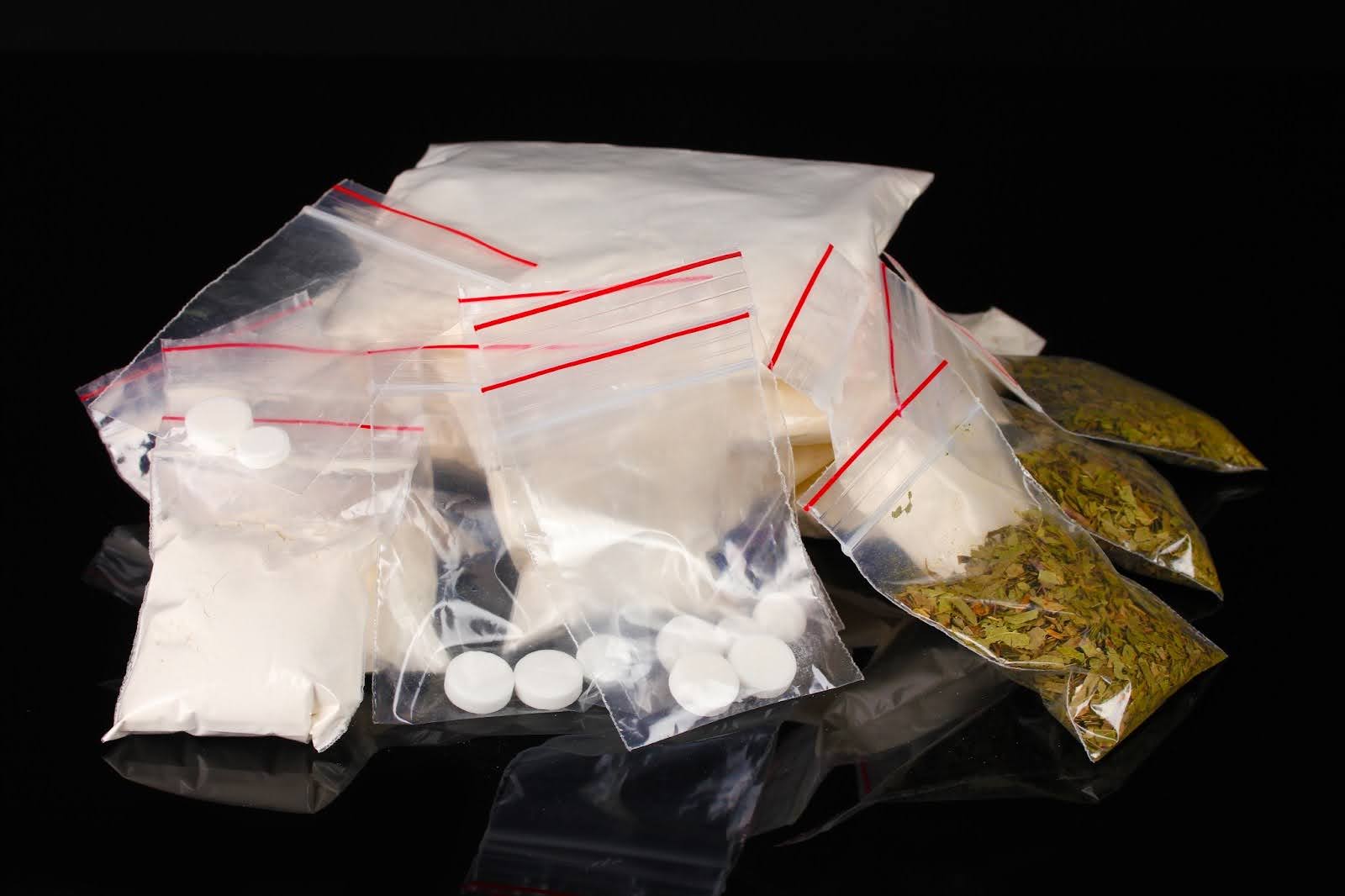
What happens if police do not find drugs, but they find an object they believe is connected to drug use? You may still face a drug paraphernalia charge, and those allegations can carry serious consequences. A conviction may result in jail time, a hefty fine, or both, along with a criminal record that affects future opportunities.
At Walter J. Pink & Associates, P.C., we understand those concerns. Our firm has handled thousands of criminal cases and represented Texans for decades. Attorney Walter J. Pink built our firm on straightforward advice, strong courtroom advocacy, and compassion for people facing difficult moments in life.
What Qualifies as Drug Paraphernalia Under State Law?
What is a drug paraphernalia charge? Texas law defines drug paraphernalia broadly. Under the Texas Health and Safety Code, paraphernalia includes equipment, products, or materials used to do any of the following with a controlled substance:
- Plant,
- Grow,
- Manufacture,
- Test,
- Package,
- Store,
- Conceal, or
- Consume.
Common examples of paraphernalia may include:
- Pipes or bongs,
- Rolling papers,
- Syringes,
- Small baggies or containers,
- Scales, or
- Devices used to inhale narcotics.
Baggies, papers, and containers have a variety of legal uses, so a drug paraphernalia charge depends heavily on the surrounding circumstances and how prosecutors believe the person intended to use the item.
Courts may consider several factors when deciding whether an item qualifies as drug paraphernalia, including:
- Statements made by the owner,
- The presence of drug residue,
- How the item was displayed or marketed, and
- Whether controlled substances were found nearby.
Showing that an item had a lawful purpose may become an important part of the defense strategy in a drug paraphernalia case.
Is Drug Paraphernalia Possession a Felony or Misdemeanor?
In many situations, drug paraphernalia possession is charged as a misdemeanor in Texas, although certain circumstances may elevate the offense to a felony.
- When Is Paraphernalia a Misdemeanor? In general, possession of paraphernalia is a Class C misdemeanor. If a person possesses or manufactures paraphernalia with the intent to deliver it to a person they know plans to use it for drugs, prosecutors may charge them with a Class A misdemeanor.
- When Is Drug Paraphernalia a Felony? Drug paraphernalia charges may become a state jail felony when an adult delivers paraphernalia to a person under 18 and is at least three years younger than the accused.
The specific classification often depends on the item’s alleged purpose and the surrounding circumstances of the case. Because felony charges carry significantly greater penalties and long-term consequences, it is important to understand exactly how prosecutors classified the allegations in your case.
What Penalties or Consequences Come with a Drug Paraphernalia Charge?
A Class C misdemeanor paraphernalia conviction may carry a fine up to $500. A Class A misdemeanor conviction may carry a fine of up to $4,000, up to one year in jail, or both. A state jail felony conviction may result in a sentence of 180 days to 2 years in jail and a fine of up to $10,000.
Defenses to a Drug Paraphernalia Charge
Every case is different. And a strong legal defense can sometimes lead to reduced penalties or even a dismissal. Possible defenses may include:
- Lack of Knowledge. Typically, a prosecutor must show that you knowingly possessed the item and understood its intended use. If you did not know the object was connected to drugs, that may support your defense.
- Duress. If someone forced you to hold or distribute paraphernalia by threatening you with force, you may have a solid argument for dropping the charges.
- Illegal Search and Seizure. Police officers must follow constitutional rules during traffic stops, searches, and arrests. If law enforcement violated your rights, evidence may become inadmissible in court, and the whole case may be dismissed.
Many additional defenses may apply depending on the facts. Understanding how to get a drug paraphernalia charge dropped starts with carefully examining the details of your arrest and the evidence gathered by law enforcement.
Can a Drug Paraphernalia Charge Be Dismissed or Reduced?
Yes. In some cases, a drug paraphernalia charge can be reduced or dismissed.
People are often concerned about how to get a drug paraphernalia charge dropped because they want to avoid a criminal record and protect future opportunities. Depending on the circumstances, prosecutors may agree to:
- Reduce the charge,
- Offer deferred adjudication,
- Recommend diversion programs,
- Dismiss the case after you complete certain conditions, or
- Negotiate alternative sentencing options.
First-time offenders sometimes qualify for programs focused on rehabilitation instead of punishment. Courts may also consider factors such as age, criminal history, cooperation, and community involvement.
An experienced defense lawyer can help identify weaknesses in the evidence and negotiate for more favorable outcomes.
Do I Need a Lawyer to Fight a Drug Paraphernalia Charge?
While you have the right to represent yourself, hiring an experienced Houston criminal defense attorney can make a major difference.
A lawyer can:
- Review the evidence,
- Protect your constitutional rights,
- Challenge unlawful police conduct,
- Negotiate with prosecutors,
- Seek dismissal or reduction of charges, and
- Help you understand your legal options.
At Walter J. Pink & Associates, our team understands how stressful these cases can feel. We have spent decades defending Texans accused of criminal offenses and helping clients pursue second chances. You deserve clear answers, compassionate guidance, and a defense strategy tailored to your situation.
We Give Trusted Guidance During Difficult Times
Facing a drug paraphernalia charge does not mean your future is over, and experienced Houston drug crime lawyer can protect your interests. At Walter J. Pink & Associates, we have built a legacy from decades of standing beside Texans during some of the hardest moments of their lives. Our firm believes every client deserves respect, honest guidance, and strong advocacy.
Please call us or contact us today to schedule a free consultation.
Legal References Used to Inform This Page
To ensure the accuracy and clarity of this page, we referenced official legal and other resources during the content development process:
- Drug paraphernalia charges, Tex. Health & Safety Code §§ 481.125 (2021).
- Ordinary misdemeanor punishments, Tex. Pen. Code §§ 12.21 through 12.23 (1993).
- State jail felony punishment, Tex. Pen. Code § 12.35 (2025).
- SMU Dedman School of Law, “Prosecutorial Discretion.”
- Mistake of fact defense, Tex. Pen. Code § 8.02 (1993).
- Duress defense, Tex. Pen. Code § 8.05 (1993).